Architecture & Design
The Botanical Inspiration Behind the Sueños del Mar Residences
Discover the tropical plant names behind Ave del Paraíso, Oreja de Elefante, Heliconia and Monstera—the villa models of Sueños del Mar.
2 min read
THE BOTANICAL INSPIRATION BEHIND THE RESIDENCES
Names can do more than identify a floor plan.
At Sueños del Mar, the principal villa models carry names drawn from the tropical plant world: Ave del Paraíso, Oreja de Elefante, Heliconia and Monstera.
The choice creates a simple connection between the architecture and the landscape that surrounds it.
MODEL A — AVE DEL PARAÍSO
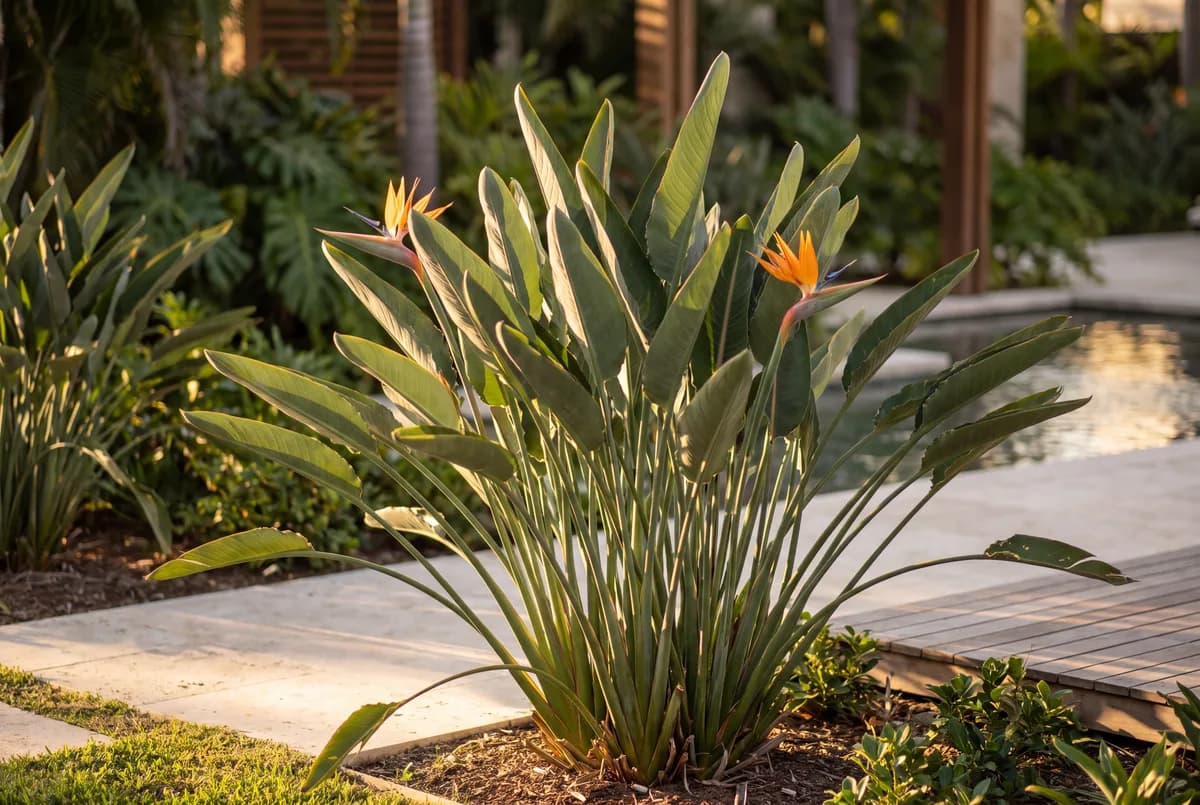
The Bird of Paradise is known for a form that feels almost architectural—strong lines, vivid color and an unmistakable silhouette.
The name suits the most expansive expression in the villa collection, where two-level living, social space, terrace and private water come together in a residence designed to feel open and expressive.
MODEL B — OREJA DE ELEFANTE
“Elephant Ear” is a familiar common name for several broad-leaf tropical plants. Their scale, shade and dramatic leaf form make the reference especially evocative in a tropical residential setting.
MODEL C — HELICONIA
Heliconias are among the forms most immediately associated with tropical gardens. Their upright structure and strong color bring energy to the landscape without needing to dominate it.
Model C reflects a similarly grounded idea: single-level living, an easy relationship with the garden and a layout designed around movement and privacy.
MODEL D — MONSTERA
The Monstera leaf has become an international symbol of tropical interiors and gardens. In Costa Rica, however, the idea feels less like decoration and more like part of the larger visual language of lush vegetation.
Model D carries that name into a larger single-level residence designed for family, guests and adaptable everyday use.
FOUR NAMES.
ONE TROPICAL LANGUAGE.
FROM NAME TO LANDSCAPE
The botanical references should remain subtle. The residences do not need to imitate the plants literally. The names work best as a layer of identity—one more way the project keeps the landscape present in the experience of the home.
Questions & answers
Are the residence names based on tropical plants?
Yes. Models A through D use the names Ave del Paraíso, Oreja de Elefante, Heliconia and Monstera.
Does the plant determine the architectural form?
The names serve as inspiration and identity rather than a claim that each building literally reproduces the plant.