Nature & Wellness
Scarlet Macaws and Beach Almond Trees: A Central Pacific Connection
Discover the fascinating relationship between scarlet macaws and beach almond trees along Costa Rica’s Central Pacific—and why it inspired Sueños del Mar.
2 min read
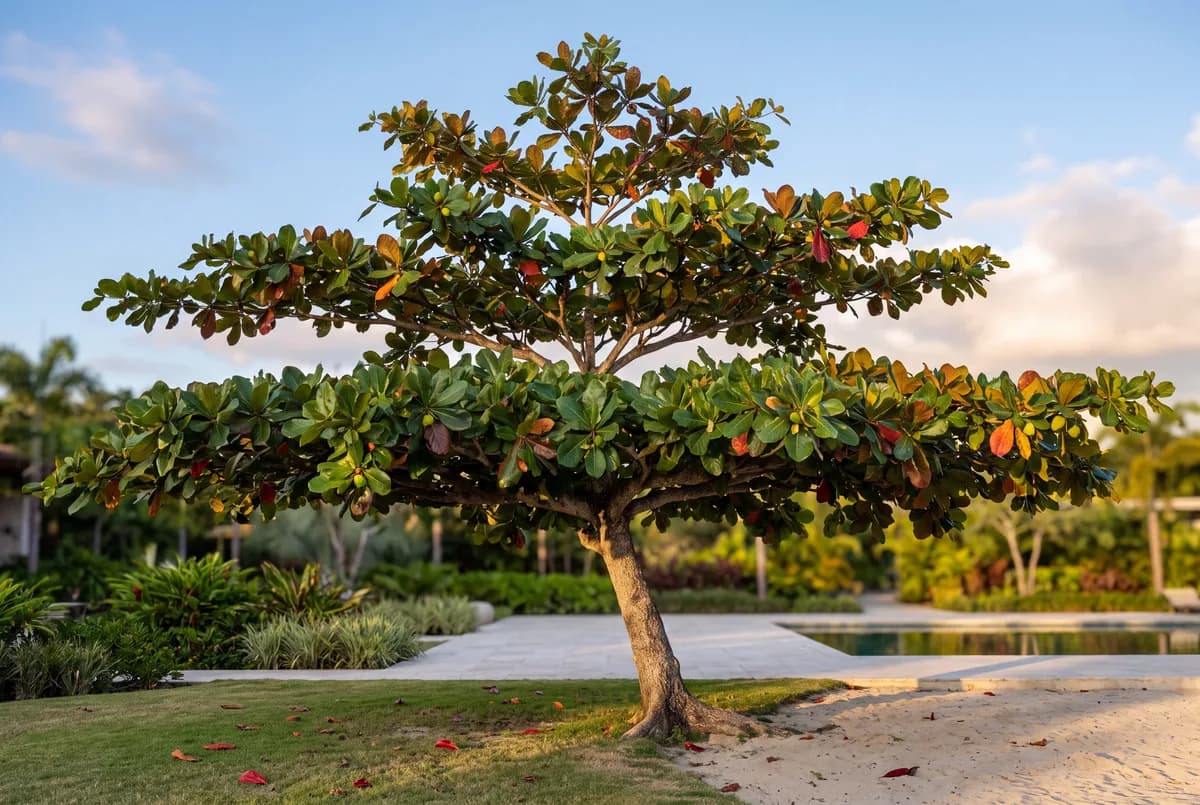
SCARLET MACAWS AND BEACH ALMOND TREES
Sometimes the most memorable nature stories are not about a rare species hidden deep in wilderness.
They happen in plain sight.
Along Costa Rica’s Central Pacific, scarlet macaws can be seen in landscapes that combine forest, coast, towns and planted trees. A 2014 regional study documented their use of the beach almond tree, Terminalia catappa, as a food resource.
A BIRD THAT DEFINES THE PACIFIC SKY
The scarlet macaw, Ara macao, is one of the most recognizable birds of the American tropics. Its red, yellow and blue plumage makes it unmistakable in flight, but its regional story is larger than color alone.
The Central Pacific remains an important landscape for the species, with birds moving across areas far larger than any one property or reserve.
AN INTRODUCED TREE WITH AN UNEXPECTED ROLE
Beach almond is not native to Costa Rica. Terminalia catappa was introduced from the Old World tropics and became common in many coastal settings.
Yet research published through the University of Costa Rica documented substantial scarlet-macaw feeding on beach almond seeds in the Central Pacific study area.
That relationship is a useful reminder that ecological stories are rarely simple. Species adapt. Landscapes change. Sometimes an introduced tree becomes part of the daily food network of an iconic native bird.
WHY IT MATTERS TO SUEÑOS DEL MAR
The scarlet macaw helped inspire the name Guacamayos Forest, the nature world within Sueños del Mar.
Scarlet macaws are part of the Central Pacific’s broader natural landscape, and sightings vary. The connection remains regional and respectful.
What it can celebrate is the sense of wonder created when a pair of macaws crosses the sky above a place where people live.
LOOK UP.
THE CENTRAL PACIFIC IS ALIVE ABOVE YOU.
A SMALL STORY WITH A LARGER LESSON
The beach almond and scarlet macaw relationship captures something essential about Costa Rica: nature is not always separate from human settlement. It can move through it, adapt around it and occasionally surprise us in the most ordinary places.
Questions & answers
Is the beach almond native to Costa Rica?
No. Terminalia catappa is an introduced tropical species.
Do scarlet macaws eat beach almond seeds?
Research from Costa Rica’s Central Pacific has documented the seeds as an important food resource in the study area.
Are scarlet macaws guaranteed at Sueños del Mar?
No. Scarlet macaw sightings are not guaranteed.